Barnebys
- Aggregator
- Access not confirmed
Visit official website barnebys.comCompare with another platform
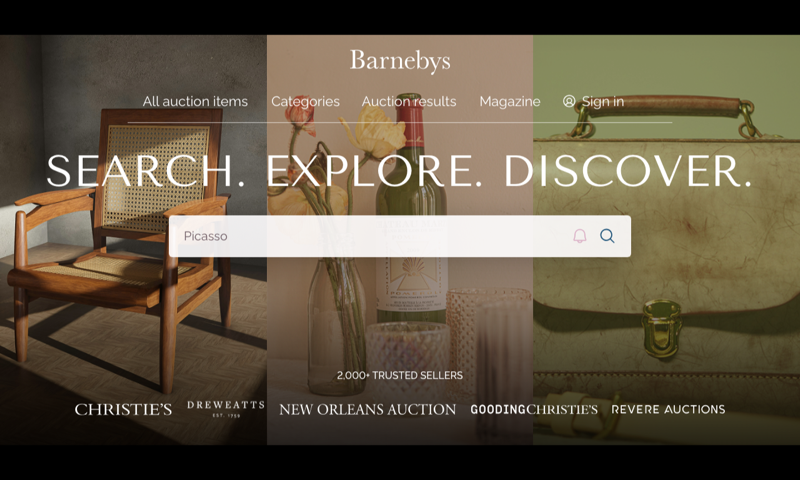
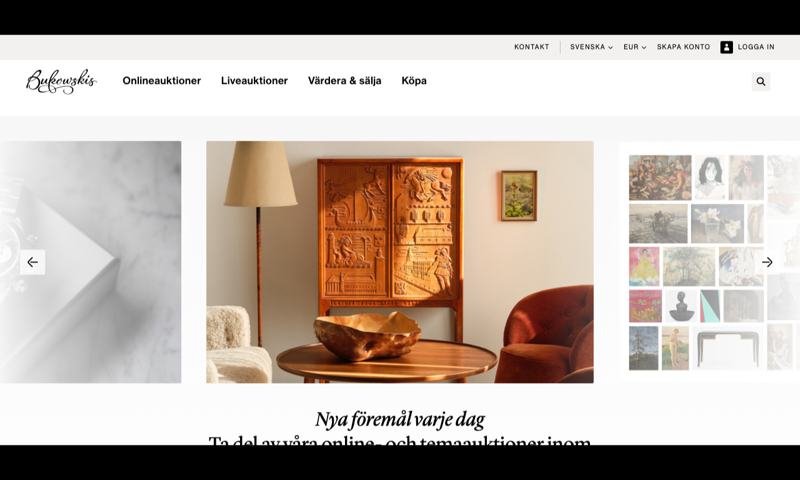
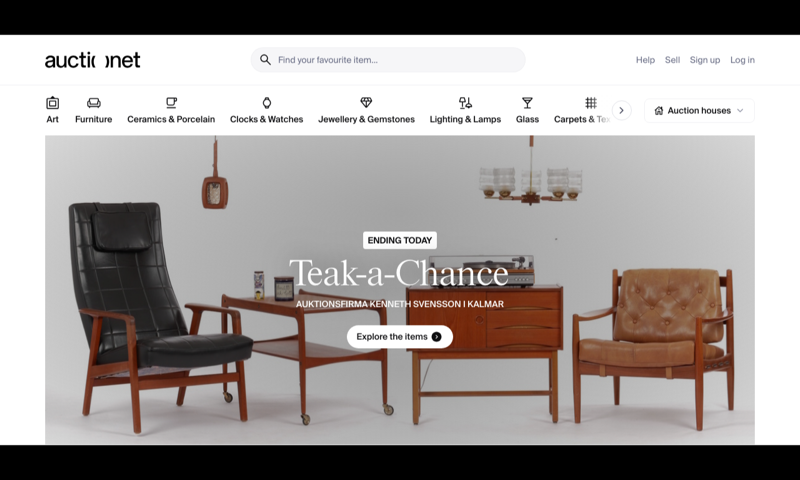
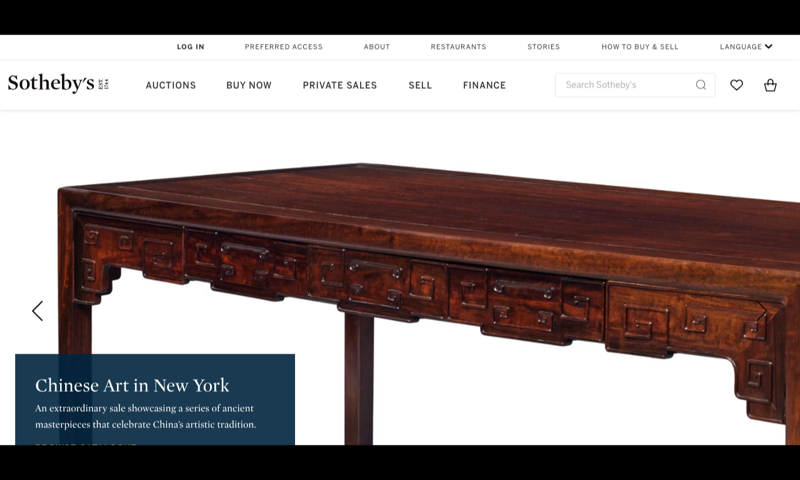
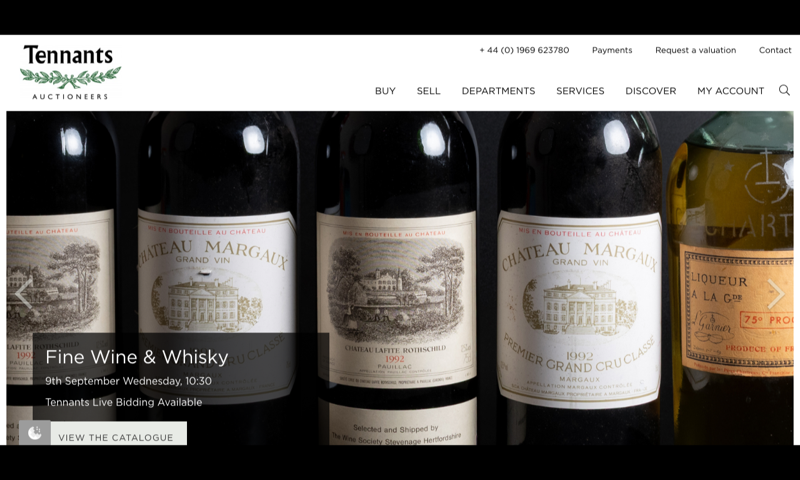
Barnebys is a search engine over other people's auctions, not an auctioneer. It indexes catalogues from houses across Europe and beyond, sorts them into a detailed taxonomy, and keeps a database of realised prices — that results archive is the part experienced buyers use, because it turns a guess about value into a comparison.
What you can search
- Art — ancient, contemporary, Asian, graphics and photographs.
- Furniture, design and mirrors; glass, porcelain and pottery.
- Jewellery, gems, watches and clocks; silver and gold.
- Coins, banknotes, medals, arms and armour.
- Books, maps and manuscripts; postcards and stamps.
- Vehicles, wine and spirits, toys and collectibles.
How it works
You search across indexed catalogues and click through to the auction house running the sale, where registration and bidding actually happen. Barnebys does not hold the lot, take your money or set the premium. The auction results section is searchable separately from live listings.
What to check before you bid
Because this is an index, the terms that matter — buyer's premium, payment, collection — belong to whichever house the lot links to, and vary widely. Treat past results as a guide rather than a valuation: an archive records what one example made on one day, not what condition or provenance drove it. Verify a lot on the auctioneer's own site before bidding, since indexed data can lag a withdrawal or a change of estimate.
Buyer's summary
| Buyer's premium | Barnebys is a search engine and takes no buyer’s premium of its own. What you pay is set by the auction house running the sale, and differs between them. — set per auction |
|---|---|
| Last checked |
Sources: Terms of use, Barnebys — homepage